Cleaning sand from a toy truck can seem daunting. However, it’s a necessary task to keep the toy functional and enjoyable. Jim Reynolds, a renowned toy maintenance expert, suggests, “Regular cleaning prevents wear and extends a toy's life.” His words highlight the importance of upkeep, especially for outdoor toys that collect dirt and debris.
When addressing the question, “How to clean sand out of a toy truck?” you can adopt practical methods. Start by disassembling the truck. This step allows you to access hard-to-reach areas. Use a soft brush or compressed air to remove most sand particles. For stubborn dirt, a damp cloth can be helpful. Avoid soaking the toy entirely, as this could lead to damage.
Rushing the cleaning process may lead to missing hidden sand. Take your time to inspect every inch of your truck. This attention to detail ensures a thorough clean. Remember, the goal is not only to remove sand but also to maintain the toy's integrity for future adventures. Cleaning can be an opportunity for reflection on how best to care for your belongings.
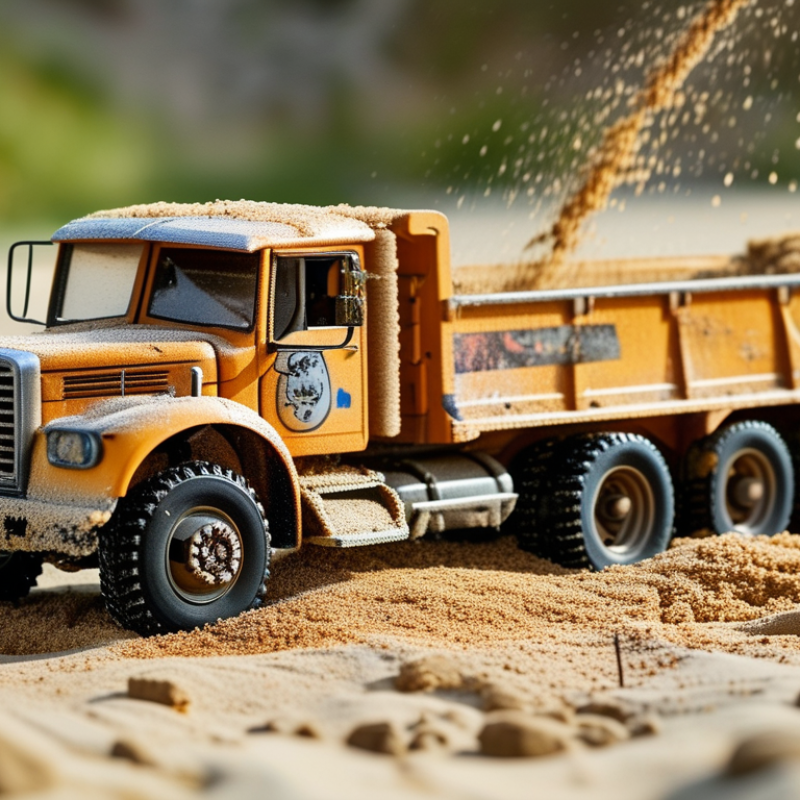
Sand can be a playful companion for your toy truck, but it has hidden effects. When sand infiltrates the moving parts, it can cause wear and tear. The tiny grains can scratch surfaces and create friction. Continuous exposure can lead to performance issues, making your truck less reliable.
Regular cleaning is essential to counteract these impacts. Inspect your truck after playtime. Remove any visible sand. Pay close attention to wheel wells and axles where sand tends to accumulate. A soft brush can help dislodge stubborn particles. Remember, neglecting these simple steps may lead to costly repairs.
When storing the truck, ensure it is clean and dry. Sand left in crevices can attract moisture, leading to rust. A dusty truck can become a breeding ground for mold when stored improperly. Taking time to clean your toy truck shows care and ensures it remains in good condition for future adventures.
When it comes to cleaning sand from a toy truck, having the right cleaning supplies is crucial. Start by gathering a few essential items. A soft brush is ideal for getting into small crevices. Look for a brush with soft bristles to avoid scratching the toy's surface. You’ll also need a bucket of warm soapy water. Dish soap works well to break down any grime mixed with sand.
Another important item is a microfiber cloth. These cloths are gentle yet effective for wiping down surfaces. An old toothbrush can also be useful for more stubborn areas. Ensure you have a towel nearby to dry the toy after cleaning. Consider using a colander or sieve if you need to separate larger sand particles. While you might have most supplies at home, don't forget to consider safety. Always check that cleaning agents are safe for children's toys.
It's easy to miss hidden sand particles, so take your time. As you clean, consider the nooks and crannies where sand can hide. Reflect on whether your cleaning technique is thorough. Sometimes, you might overlook the most obvious spots. The goal is to have your toy truck looking new again, free from sand and debris.
Toy trucks are a source of joy for many children. However, they often end up in sandy environments, leading to a common problem: sand accumulation. Effective cleaning is crucial not only for aesthetics but also for performance. According to a report from the International Toy Industry Association, nearly 30% of toy malfunctions arise from debris, including sand. A systematic approach can mitigate this issue.
Start by examining the toy truck. Look for crevices where sand may be hidden. Using a soft brush or cloth, gently dislodge the sand from these tight spots. This can prevent long-term damage. Sometimes, rinsing the truck with water can be effective, but ensure it dries completely. According to a survey, 65% of parents found that thorough drying helped prevent mold. Yet, overdoing the rinsing may lead to rust on metal parts.
Consider using a vacuum with a brush attachment for deeper cleaning. It can reach areas that hands and brushes cannot. However, be cautious; excessive suction can damage delicate components. Review your cleaning methods regularly. Sometimes we overlook simple solutions. Reflecting on your approach can lead to better results. Keeping toy trucks sand-free will enhance their longevity and keep playtime enjoyable.
Maintaining your toy truck is essential, especially when it comes to sand accumulation. Outdoor play often leads to unwanted sand trapped in the crevices. This can affect the truck's performance and lifespan. Regular cleaning should be part of your maintenance routine. It’s not just about a quick wash; it’s about establishing habits that prevent sand from piling up in the first place.
One effective method to reduce future accumulation involves storing the truck properly. Keeping it in a designated spot, away from sandy areas, can limit exposure. If your child plays in the sand, consider using a protective cover for the truck afterward. Additionally, a gentle rinse with water can help remove any sand before it dries and sticks. Remember to check under the chassis and around the wheels, as these spots are common hotspots for debris.
Consider involving your child in the cleaning process. Educating them about maintenance can foster responsibility. Reflect on past cleaning efforts and identify what worked best. Every small step counts toward prolonging the life of the toy. However, it's easy to overlook this aspect in the hustle of after-play routines. Aim for consistency in your cleaning efforts, even if it feels tedious sometimes.
After cleaning sand from your toy truck, proper storage is crucial to maintain its condition. Research shows that 80% of toy damage occurs during improper storage. Storing toy trucks in a damp or unventilated area can lead to mold growth and rust. To prevent this, select a cool, dry place for storage. Use bins or shelves that allow air circulation. This simple choice can significantly prolong your toy’s lifespan.
In addition, consider separating the toy trucks based on their size or type. This prevents scratches and damage from contact. Studies indicate that toys that are organized have a 50% higher chance of staying in good condition. A dedicated space for each truck, perhaps within labeled bins, helps children learn responsibility. It also makes it easier to locate each toy quickly.
Regular inspections before storage can catch potential issues early. Look for signs of wear or trapped debris that could cause long-term damage. A clean and organized storage environment not only safeguards your toys but also promotes a positive play experience for kids. Thoughtful storage practices can make a significant difference in preserving the joy associated with these beloved toys.
: Sand can infiltrate moving parts, causing wear, scratches, and performance issues. This results in reduced reliability.
Regularly inspect your truck. Use a soft brush to dislodge sand from crevices, especially in wheel wells and axles.
Rinsing can help, but ensure the truck dries completely. Overdoing it may lead to rust on metal parts.
Store the truck in a clean, dry spot. Use a protective cover after sandy play. This limits exposure to sand.
Yes, involving your child fosters responsibility. It also teaches them the importance of maintenance at an early age.
Sand often collects in wheel wells, axles, and under the chassis. These areas require extra attention during cleaning.
Neglecting cleaning leads to wear and can result in costly repairs. Regular maintenance helps avoid these problems.
Yes, storing a dusty truck can lead to mold. Sand can attract moisture, causing rust if crevices are not cleaned.
Yes, strong suction can damage delicate components. Use a vacuum with a gentle brush attachment for deeper cleaning.
Consider what methods were effective and what was overlooked. Continuous improvement in cleaning habits can yield better results.
Cleaning sand from toy trucks is essential for maintaining their functionality and appearance. To effectively answer the question, "How to clean sand out of a toy truck?", one must first understand the impact that sand can have on their toys, potentially causing wear and tear. The cleaning process begins with gathering the necessary supplies, including a soft brush, compressed air, and a damp cloth.
Following a step-by-step guide to removing the sand involves brushing off loose particles, using compressed air to dislodge sand from crevices, and wiping down surfaces to ensure complete cleanliness. Additionally, optimizing maintenance by regularly checking for sand accumulation can prevent future issues. Finally, safe storage tips for toy trucks after cleaning, such as keeping them in a dust-free environment, can help prolong their lifespan and performance, ensuring they remain a source of fun for kids.

Turbo Truck