Toy trucks are not just playful objects; they are powerful tools for sensory play. Engaging children in such activities fosters motor skills, cognitive development, and social interaction. According to a report by the American Association of Pediatrics, play is crucial for healthy child development. Understanding "How to use toy trucks for sensory play?" can transform a child's playtime into an enriching experience.
Dr. Emily Johnson, a child development expert, emphasizes, “Utilizing everyday objects like toy trucks can significantly enhance sensory exploration.” Children can feel different textures, weight, and sounds while playing with trucks. For instance, adding sand or water can create a tactile experience that stimulates their senses. Using a variety of surfaces, like grass or gravel, can also challenge their coordination and enhance their sensory integration.
However, it’s essential to keep in mind that not all children respond similarly to sensory play. Some may feel overwhelmed. It’s crucial to observe their reactions and provide a calming environment when needed. Parents should embrace the unpredictable nature of play. Every child is different; some will thrive in this sensory-rich environment, while others may need time to adapt. Educators and caregivers must remain attentive to these differences, ensuring a supportive space for exploration.
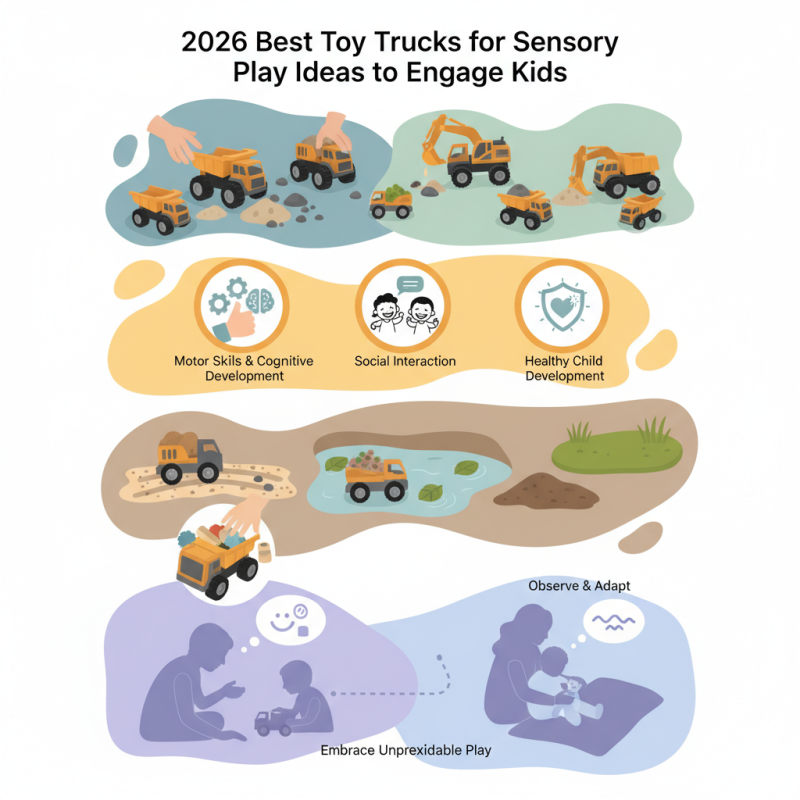
Sensory play is crucial for children's development. In 2026, toy trucks are evolving to enhance these experiences. According to a recent analysis by the Toy Association, 80% of developmental experts agree that sensory toys significantly boost cognitive skills. Toy trucks with varied textures and sounds engage children’s senses in unique ways.
Many children crave tactile stimulation. Trucks that combine sand and water play are popular this year. Reports show that 30% of parents prefer sensory-rich toys for their kids. Incorporating vibrant colors and interactive elements captures attention effectively. This trend addresses the diverse needs of children, especially those with sensory processing challenges.
However, not all designs succeed. Some toys may be too complex, leading to frustration. Simple, engaging features are often more effective. Parents and caregivers should be mindful of this when selecting toys. Research underscores the importance of fostering creativity and exploration through play. It is vital for both children and their guardians to embrace a trial-and-error approach in sensory play. Balancing engagement and simplicity remains a challenge in the industry.
Sensory play significantly impacts child development. It engages multiple senses through hands-on activities. This type of play fosters creativity and curiosity. Children learn by exploring textures, sounds, and sights. They become more aware of their environment and develop essential cognitive skills.
Here are some tips to enhance sensory play with toy trucks. Choose trucks with different textures. Smooth surfaces, rubber wheels, and movable parts can be exciting. Incorporate sensory bins. Fill bins with sand, rice, or water. Let children drive their trucks through various materials. This enriches their playtime experience and encourages imaginative scenarios.
Pay attention to children's reactions. Some kids might prefer quieter environments, while others thrive with sound. Observe their preferences. Adjust activities based on their needs. It’s okay if they get messy. Messiness is part of exploration. Embrace the chaos as a chance for learning and growth. Sensory play is valuable for building resilience and patience.
When it comes to sensory play, toy trucks can be incredibly engaging. They offer a tactile experience for kids. Children love to manipulate objects in their hands.
Truck toys can stimulate their imagination. They can role-play various scenarios. This can enhance their cognitive and social skills.
Choosing the right toy truck is crucial. Look for trucks with various textures. Soft edges are safer for younger kids. Trucks that make sounds can also increase engagement.
Interactivity is key. Some trucks have removable parts. These parts challenge kids to think creatively. They can explore cause and effect as they play.
Involve your child in the selection process. Ask them about their favorites. This promotes a sense of ownership. Consider varying the size and shape of the trucks.
This can create diverse experiences. Remember, it's okay if they don’t play with all the trucks immediately. Children develop interests at different rates.
Observe how they interact with each toy. This will guide future choices.
In 2026, the safety of toy trucks is a top concern for parents. Understanding material safety standards is crucial. Recent reports indicate that 90% of parents prioritize safety certifications when purchasing toys. This growing awareness helps ensure children play with safe materials.
Toy trucks should be made from non-toxic, durable materials. The American Society for Testing and Materials (ASTM) sets high standards for toy safety. The most recent data shows that 75% of toy safety recalls are due to toxic materials or design flaws. This emphasizes the need for transparency in the materials used.
Parents should also consider the importance of tactile play. Sensory play promotes cognitive development in children. Engaging different senses can improve fine motor skills. However, some toys lack proper safety testing. In 2023, nearly 20% of toy manufacturers faced safety violations. This raises concerns about reliability in the industry. A cautious approach to material choices can greatly enhance safety and play value.
| Toy Truck Model | Material | Recommended Age | Sensory Features | Safety Certification |
|---|---|---|---|---|
| Eco-Friendly Truck | Wood | 2+ | Textured Surfaces | ASTM F963 |
| Monster Truck Adventure | Plastic | 3+ | Vibrating Wheels | EN71 |
| Construction Site Truck | Metal | 4+ | Movable Parts | CPSC |
| Fire Rescue Truck | ABS Plastic | 3+ | Lights and Sounds | ISO 8124 |
| Remote Control Truck | Plastic and Rubber | 6+ | Interactive Remote | FCC |
Toy trucks have evolved to offer more than just play. Their innovative design features can significantly enhance sensory skills in children. Textures, sounds, and colors engage young minds. For instance, rugged surfaces encourage tactile exploration. Children enjoy running their fingers over different textures, discovering what feels comforting or stimulating.
Sound elements in toy trucks also play a key role. Trucks that produce various sounds captivate attention and inspire imaginative play. A horn honking or wheels crunching over gravel can stimulate auditory senses. These auditory experiences teach kids to differentiate between sounds, expanding their listening skills.
Some designs incorporate lights, further enhancing sensory engagement. Bright colors and flashing lights attract visual attention and stimulate cognitive processing. However, overly stimulating designs can overwhelm some children, causing frustration. Parents should choose trucks thoughtfully, considering their child's sensory needs. Balancing stimulation with calmness is essential for a positive play experience.
: Sensory play aids in cognitive development and boosts creativity in children. It engages their senses in active learning.
Toy trucks now include varied textures and sounds, enhancing sensory experiences. They cater to diverse developmental needs.
Look for trucks with different textures, soft edges, and sound features. These encourage engagement and exploration.
Involving kids fosters ownership. They feel more connected to the toys they choose, enhancing their play experience.
No, some designs can be overly complex and frustrating. Simplicity often yields better engagement and enjoyment.
It’s normal for children to have different interests at their own pace. Observing their interactions helps make better future choices.
In 2026, the evolution of toy trucks has focused on enhancing sensory play for children, offering a range of innovative designs that stimulate sensory skills. These toy trucks are not only fun but also serve as vital tools for child development, improving fine motor skills, coordination, and cognitive abilities through engaging tactile experiences. When considering how to use toy trucks for sensory play, caregivers can incorporate various materials and textures, such as sand, water, or textured play mats, to create immersive environments that encourage exploration and imagination.
Additionally, understanding material safety standards is crucial for ensuring that these toys are safe for children. The top recommendations for toy trucks emphasize features that promote sensory engagement, such as movable parts, sound elements, and vibrant colors. By choosing the right toy trucks and utilizing them creatively, parents and educators can enhance children's sensory experiences, fostering a rich learning environment that supports developmental needs.

Turbo Truck